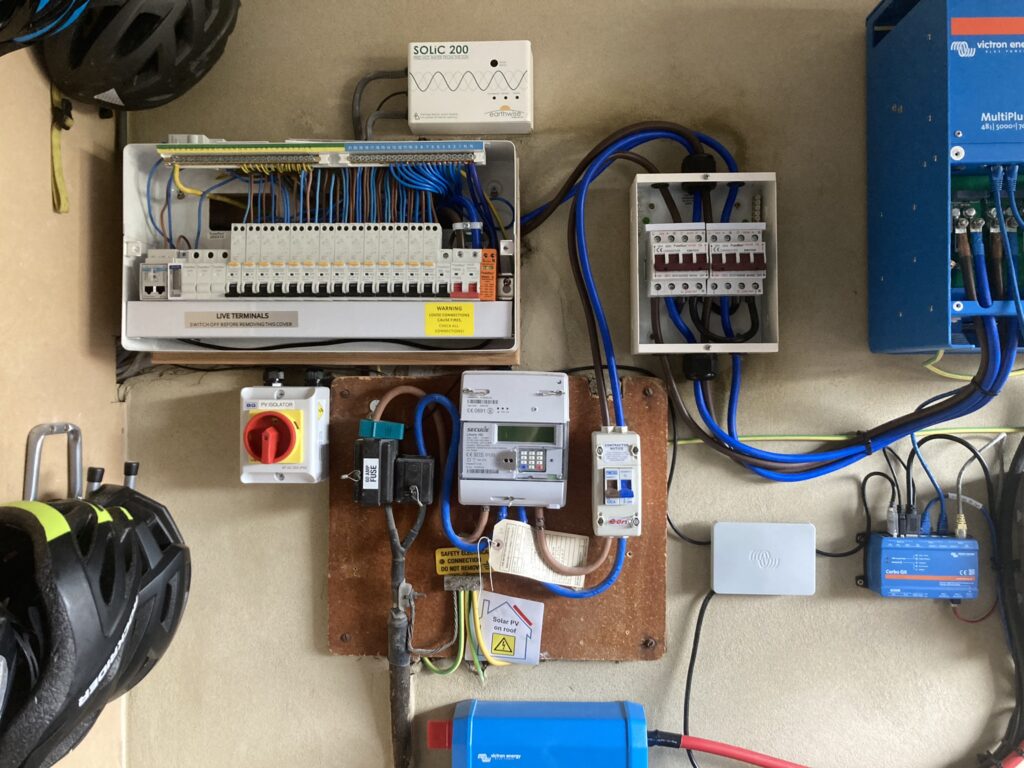
We are licensed electricians in Upminster who perform thorough inspections, safety checks, and compliance testing for homes and businesses in Essex, Kent, Hertfordshire, Suffolk and Cambridgeshire.
In short, an electrical health check gives you peace of mind that your property is safe, compliant, and not hiding costly problems.
Faulty wiring, overloaded circuits, and loose connections are common causes of electrical fires. An inspection identifies risks before they become dangerous.
Damaged wiring or poor earthing can cause electric shocks. A health check ensures your system is safe to use every day.
If you’re purchasing a home or commercial building, an electrical inspection can reveal hidden issues that could cost thousands later.
New additions may overload older wiring systems. A health check confirms your system can handle the extra demand.
Outdated or inefficient systems can waste electricity. Identifying faults or old components can improve efficiency.
Some insurers and landlords require electrical safety checks to maintain coverage and meet legal standards.
Electrical systems degrade over time. Even if everything “seems fine,” hidden wear can pose risks.
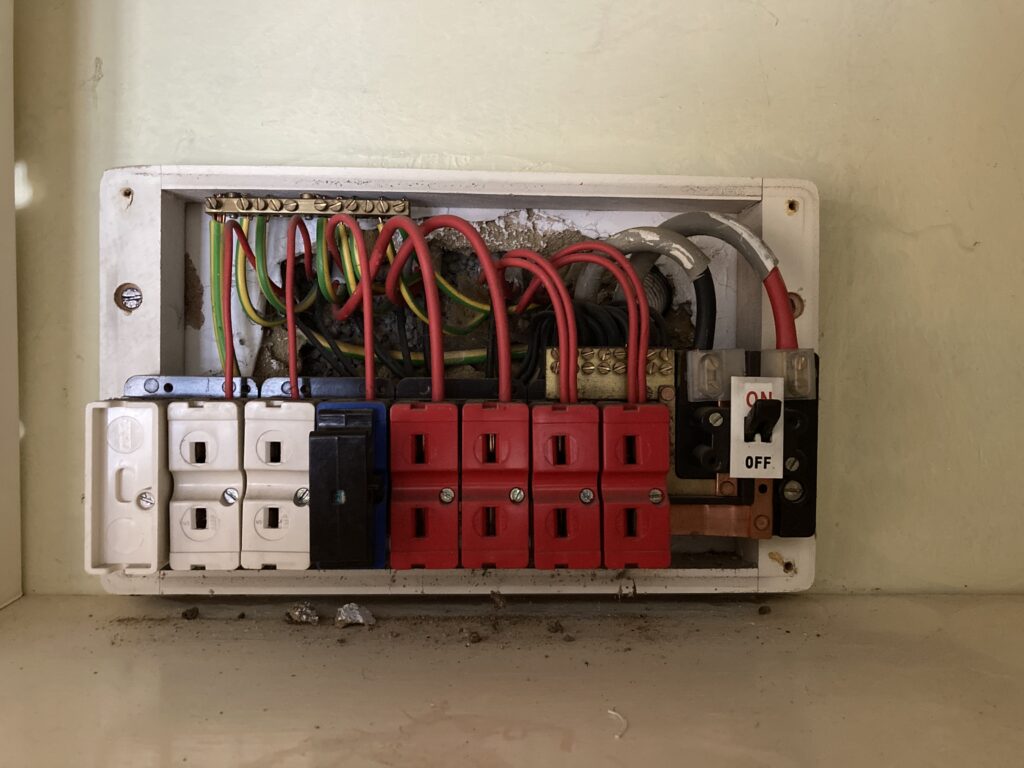
Don’t risk electrical hazards.
Get a comprehensive electrical health check by a certified electrician
💷 Typical cost (2026)
🏠 Rough guide by property size
📍 London pricing
 Homeowners (owner-occupied)
 Rental properties (landlords)
This is enforced under UK regulations—landlords must provide tenants with a valid EICR.
Commercial properties
🔍 1. Visual inspection
The electrician starts by looking for obvious issues:
🧪 2. Dead testing (power off)
They switch off the electricity and test the internal wiring:
⚡ 3. Live testing (power on)
With power restored, they check how the system performs:
📊 4. Identify issues & safety ratings
Any problems are coded:
📄 5. Report issued
You’ll get a formal report stating:
⏱️ How long it takes
👍 What it doesn’t include
💡 Quick tip
If an inspection is done very quickly (like 20–30 minutes), it’s likely not thorough—proper EICRs take time.
⚖️ Is an Electrical Health Check (EICR) a Legal Requirement?
It depends on your situation:
🏢 Landlords (England – including London)
👉 Yes — it’s a legal requirement
Under the Electrical Safety Standards in the Private Rented Sector (England) Regulations 2020:
Failing to comply can lead to fines of up to £30,000
🏠 Homeowners (owner-occupied)
👉 No — not a legal requirement
But it is:
🏢 Businesses & commercial properties
👉 Yes — under general safety law
Employers must comply with the Electricity at Work Regulations 1989:
👍 Simple breakdown