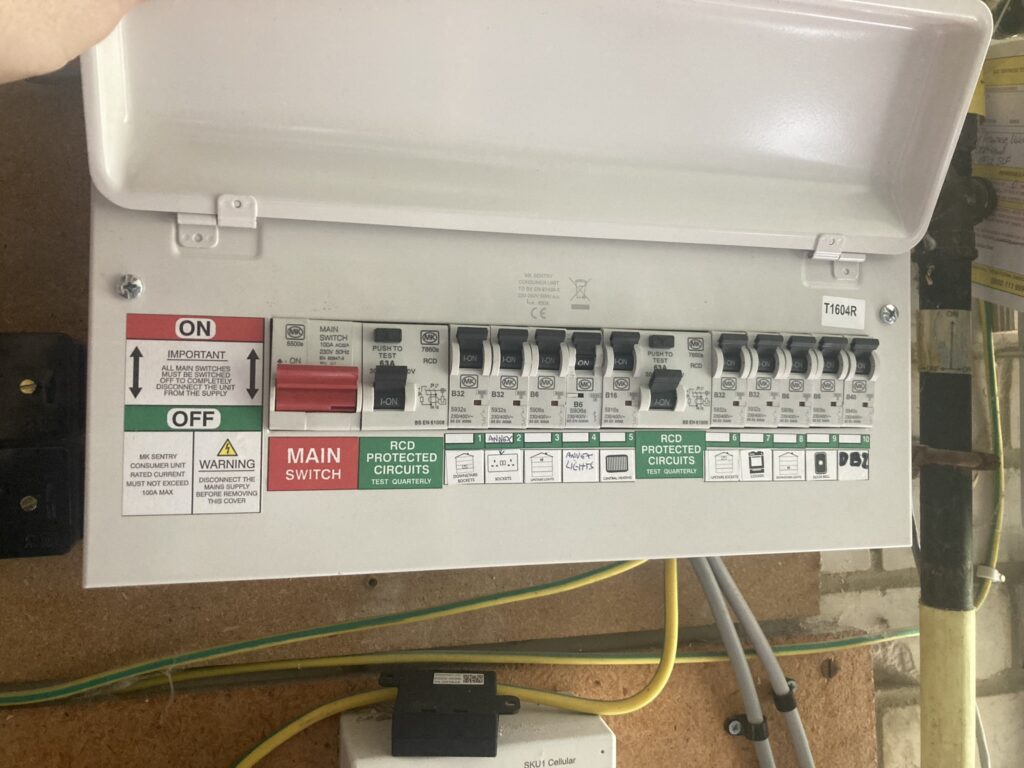
Professional Consumer Unit Replacement and Fuse Box Upgrades by Certified Electricians.
A consumer unit replacement is the process of upgrading an old fuse box to a modern electrical consumer unit that provides improved safety and protection for your property. Older fuse boxes often lack important safety features such as RCD protection, which helps prevent electric shock and electrical fires.
Our qualified electricians carry out professional consumer unit replacements and fuse box upgrades for homeowners, landlords, and businesses. Whether your existing unit is outdated, frequently tripping, or has failed an Electrical Installation Condition Report (EICR), installing a modern consumer unit ensures your electrical system meets current safety standards, including BS 7671 IET Wiring Regulations.
Upgrading your consumer unit improves electrical safety, supports modern appliances, and provides reliable protection for all circuits in your property.
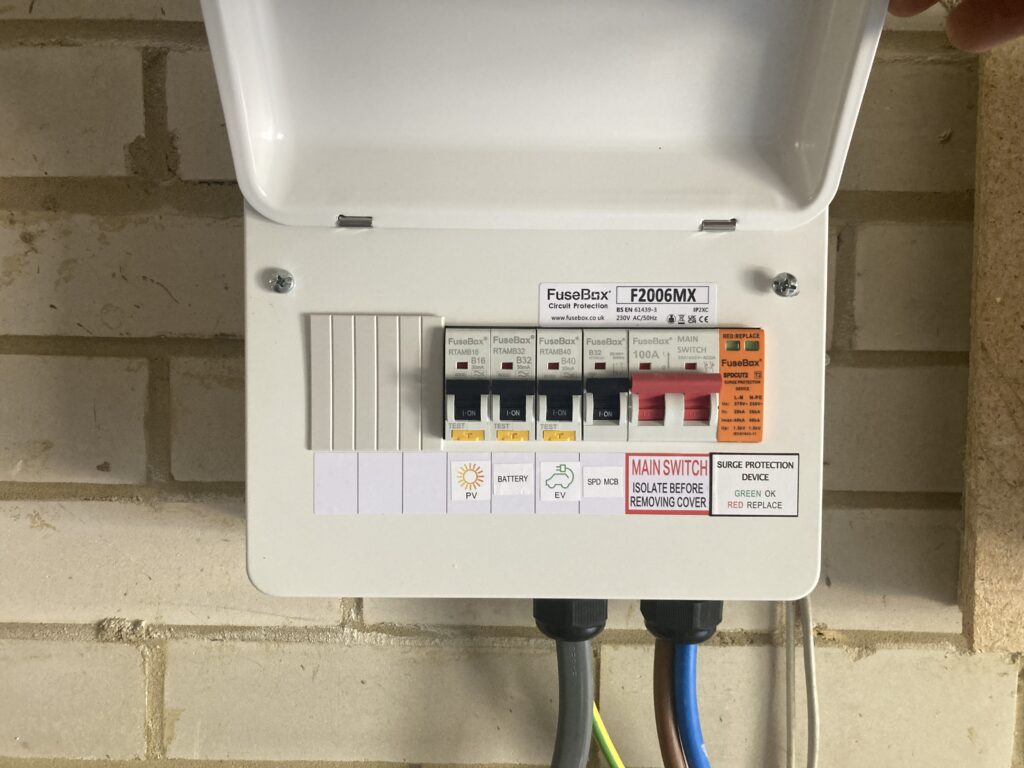
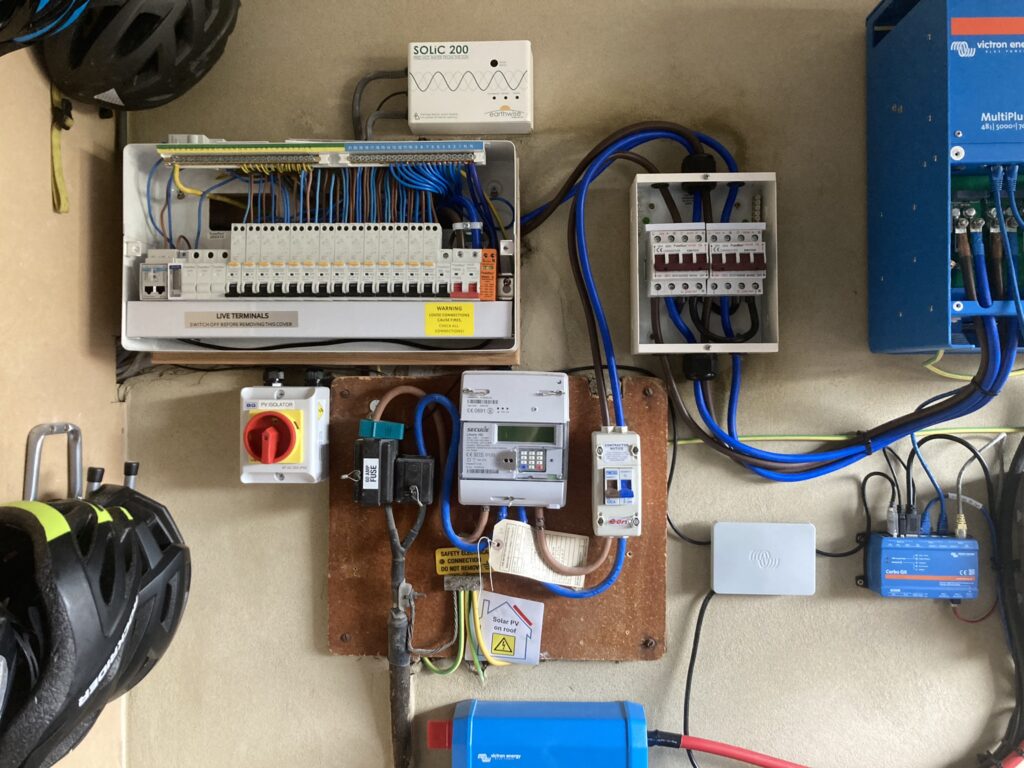
A consumer unit (often called a fuse box) is the main electrical distribution point in a property. It controls and protects all the electrical circuits in your home, such as lighting, sockets, cooker, and appliances.
The consumer unit receives electricity from the main supply and distributes it safely to different circuits throughout the building. Inside the unit are protective devices like MCBs (Miniature Circuit Breakers) and RCDs (Residual Current Devices) that automatically switch off the power if a fault occurs.
These safety devices help prevent:
Modern consumer units are designed to meet safety requirements set out in the BS 7671 IET Wiring Regulations, ensuring that electrical installations are properly protected.
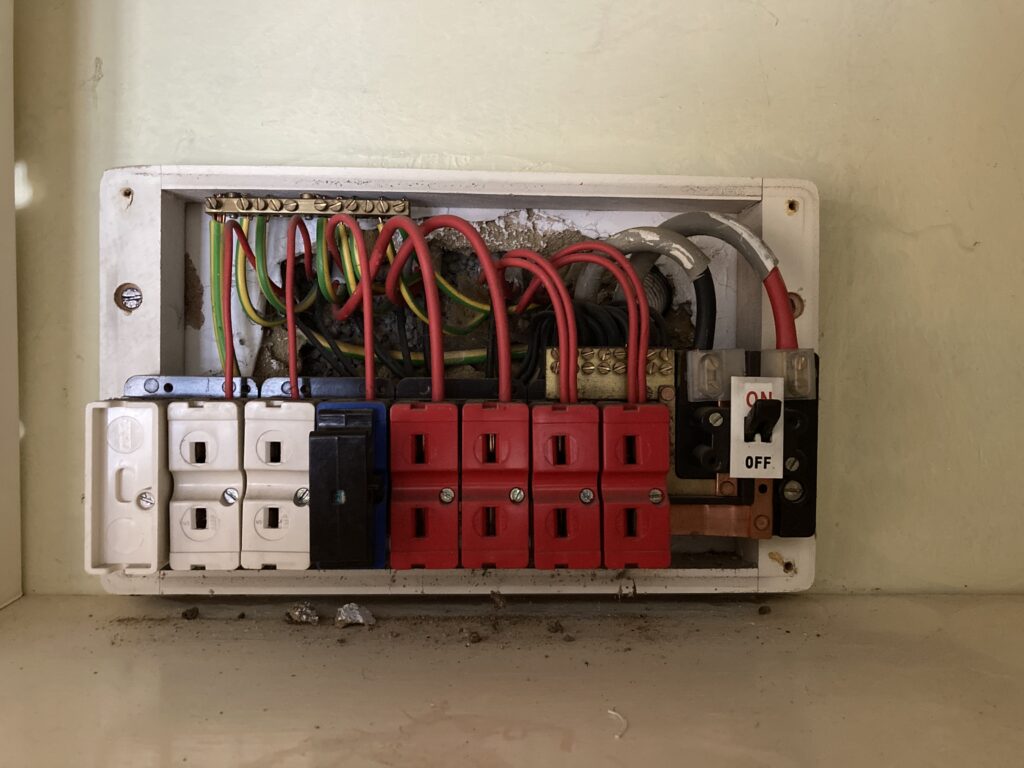
Older fuse boxes may use rewireable fuses, which provide less protection compared to modern circuit breakers. For this reason, many properties upgrade to newer consumer units that include RCD protection and metal enclosures for improved safety.
In simple terms, the consumer unit acts as the central control and safety system for your property’s electrical installation.
Replacing a consumer unit must be carried out by a qualified electrician to ensure the installation is safe and complies with the BS 7671 IET Wiring Regulations. Here is the typical process followed during a consumer unit replacement.
Before any work begins, the electrician will check the condition of the existing electrical installation. This includes inspecting the earthing, bonding, and circuits to make sure they are suitable for a new consumer unit.
The electrical supply to the property is safely isolated to allow the old fuse box to be removed without risk of electric shock or damage to the system.
The existing fuse box is carefully disconnected and removed. All circuits are labelled to ensure they are correctly connected to the new consumer unit.
A modern metal consumer unit with circuit breakers and RCD protection is installed. Each circuit is securely connected and configured to provide proper protection.
After installation, the electrician performs a series of electrical tests to confirm that all circuits are safe and functioning correctly.
Once the installation has passed all tests, an electrical certificate is issued to confirm the work complies with UK regulations. This may form part of an Electrical Installation Condition Report (EICR) or installation certificate.
The electrician will demonstrate the new consumer unit, explain how the breakers work, and ensure the system is operating safely.
Result: A modern consumer unit that provides improved protection against electrical faults, overloads, and electric shock.
When it comes to consumer unit replacement, it’s important to choose qualified electricians who prioritise safety, compliance, and high-quality workmanship.
Our electricians are fully trained and experienced in installing modern consumer units and upgrading older fuse boxes. All work is carried out in accordance with the BS 7671 IET Wiring Regulations to ensure your electrical system is safe and compliant.
We provide full testing and certification after every installation. Our work can be registered through recognised industry bodies such as NICEIC, giving you confidence that the installation meets UK safety standards.
We install high-quality metal consumer units with modern protection devices including circuit breakers and RCDs to protect your property from electrical faults, overloads, and potential fire risks.
Our team works efficiently to minimise disruption to your home or business while ensuring every installation is completed safely and to the highest standard.
We provide transparent quotes and expert guidance on the best consumer unit solution for your property, ensuring you get a safe and reliable electrical system.
Our goal is simple: deliver safe, compliant, and professionally installed consumer units that protect your property and everyone in it.
We provide Consumer Unit & Fuse Board installations across London and Essex including:
Popular areas we serve include Romford, Gidea Park, Brentwood, Upminster, Hornchurch, Chelmsford, Billericay, Wickford, Southend, Colchester, Rainham, Dagenham.
In most homes, replacing a consumer unit takes around 4–8 hours.
The time depends on the number of circuits, the condition of the wiring, and whether additional electrical work is required.
The cost usually depends on factors such as the number of circuits, type of consumer unit, and testing required.
In the UK, prices often range between £400 and £900, including installation and certification.
If your property has an old fuse box with rewireable fuses or no RCD protection, upgrading to a modern consumer unit is recommended for improved safety and compliance with BS 7671 IET Wiring Regulations.
Yes. The electricity supply must be safely isolated while the new consumer unit is installed.
Once installation and testing are complete, the power will be restored.
Yes. After the installation and testing are completed, a qualified electrician will provide an electrical installation certificate confirming the work meets UK safety standards.
Yes, but the power will be off for several hours while the work is carried out.
Electricians will normally inform you before starting the work.
Electrical installations should be inspected periodically as part of an Electrical Installation Condition Report (EICR) to ensure the system remains safe and in good condition.