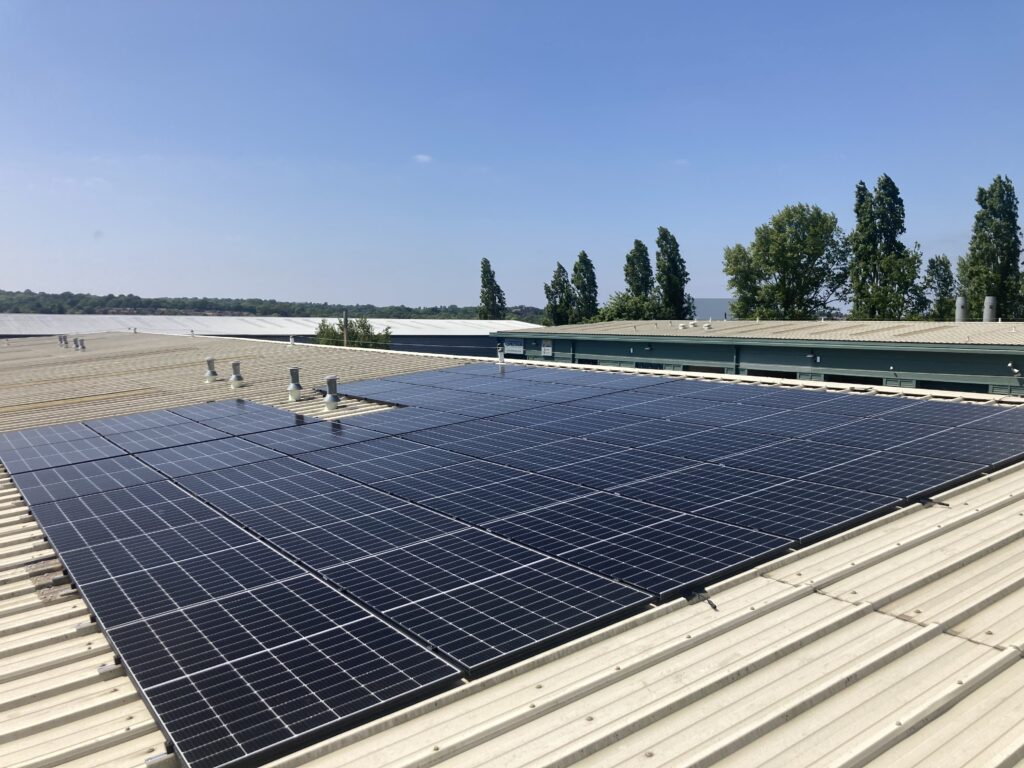
Solar panels are devices that convert sunlight into electricity. They are made up of photovoltaic (PV) cells that capture sunlight and transform it into usable electrical energy through a process known as Photovoltaics.
These panels are usually installed on rooftops or open spaces where they can receive direct sunlight. When sunlight hits the photovoltaic cells, it generates direct current (DC) electricity.
This electricity is then converted into alternating current (AC) using an inverter so it can power household appliances and electrical systems.
Solar panels are a key technology used to harness Solar Energy, one of the most widely used forms of Renewable Energy. Because they rely on sunlight rather than fossil fuels, solar panels produce clean electricity without emitting greenhouse gases during operation.
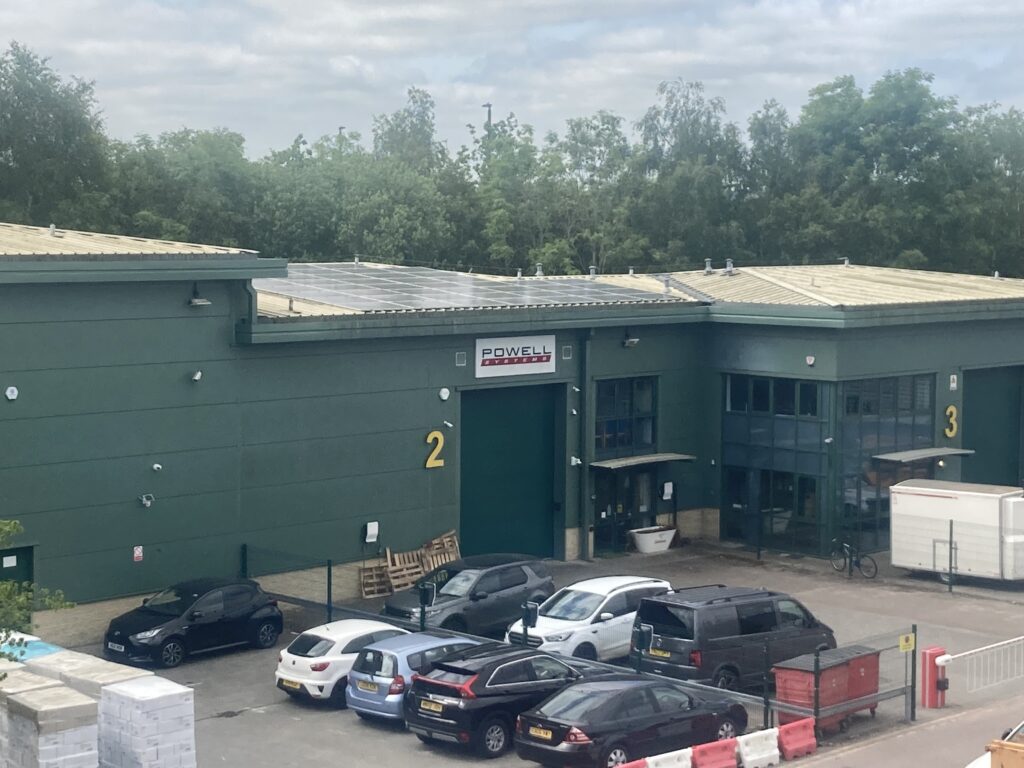
Solar panels can be installed in many locations, including:
In simple terms, solar panels allow homes and businesses to generate their own electricity using sunlight, helping reduce reliance on traditional energy sources.
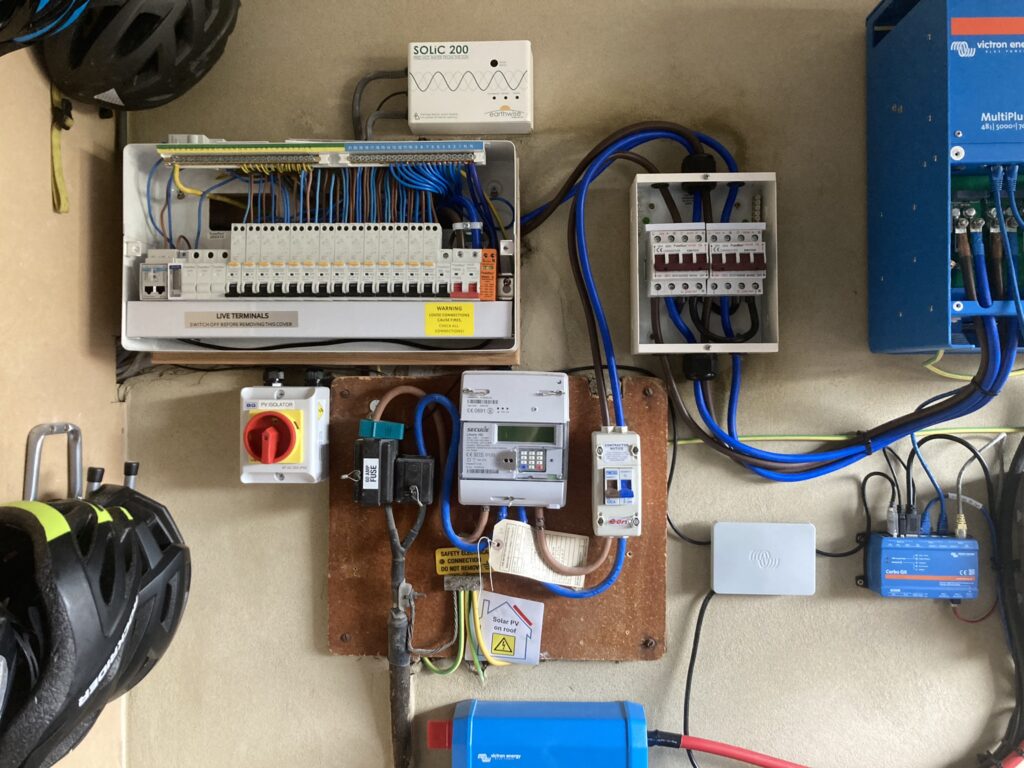
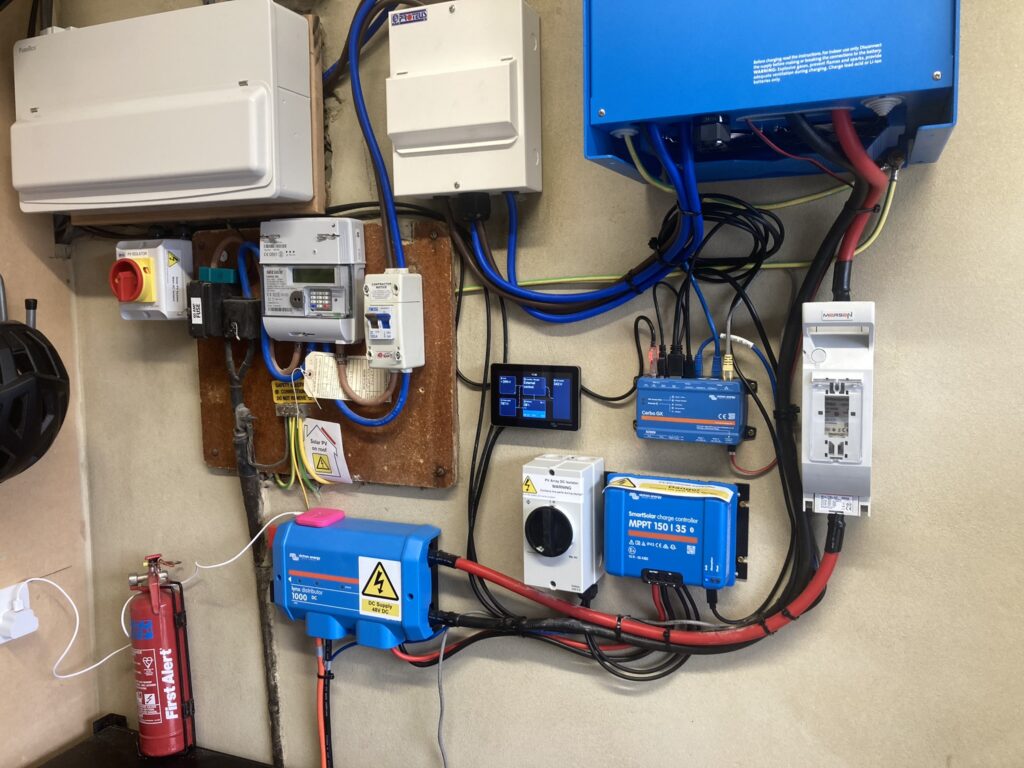
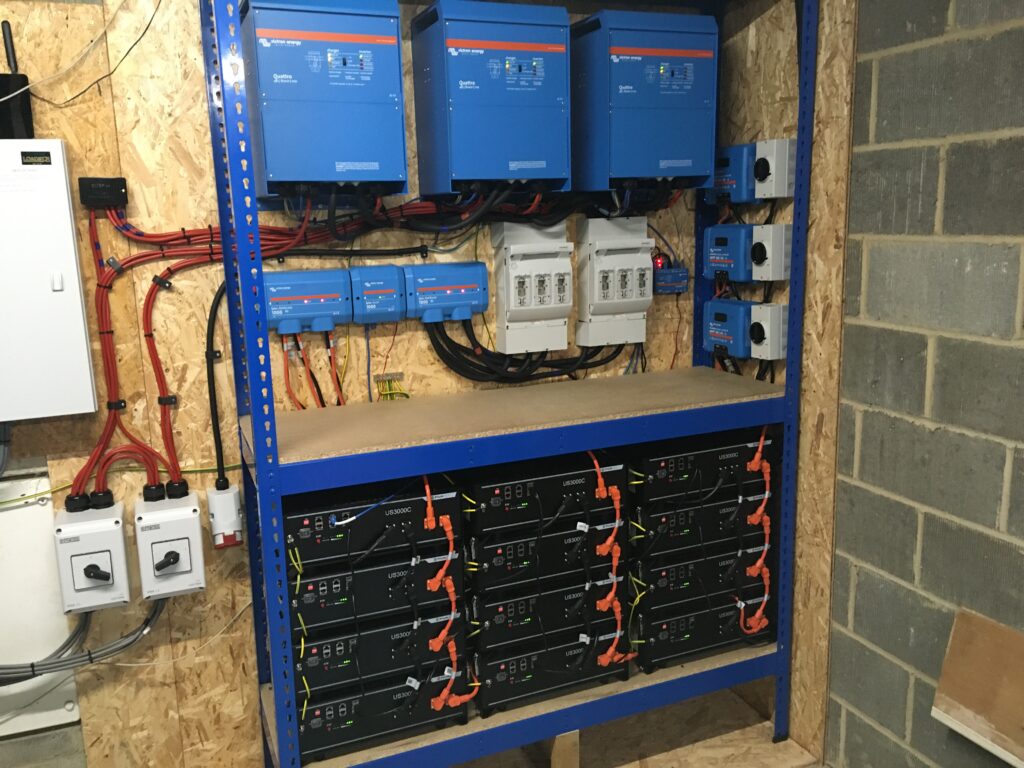
Battery storage systems allow homes and businesses to store excess electricity for later use. When energy is generated from sources like solar panels, any unused power can be saved in batteries instead of being sent back to the grid.
These systems are commonly used alongside solar installations to maximise the benefits of Solar Energy and improve energy efficiency.
How Battery Storage Works
Many modern systems use advanced Battery Energy Storage System technology to manage charging, discharging, and energy usage efficiently.
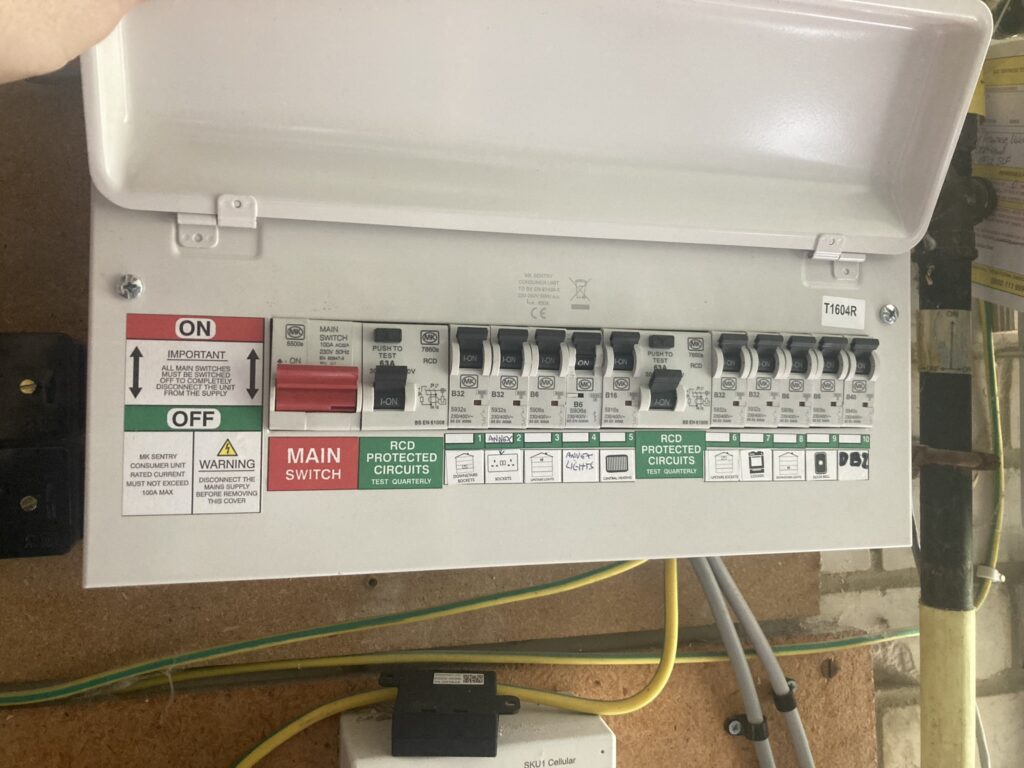
Replacing a consumer unit must be carried out by a qualified electrician to ensure the installation is safe and complies with the BS 7671 IET Wiring Regulations. Here is the typical process followed during a consumer unit replacement.
Store your own electricity and rely less on the national grid.
Use stored power during peak hours when electricity prices are higher.
Some battery systems can provide backup electricity during power outages.
Instead of exporting excess electricity, you can use it later in your home
Battery storage systems are suitable for:
By combining solar panels with battery storage, property owners can increase energy efficiency, reduce energy costs, and make better use of renewable energy.
We provide full rewiring installations across London and Essex including:
Popular areas we serve include Romford, Gidea Park, Brentwood, Upminster, Hornchurch, Chelmsford, Billericay, Wickford, Southend, Colchester, Rainham, Dagenham.