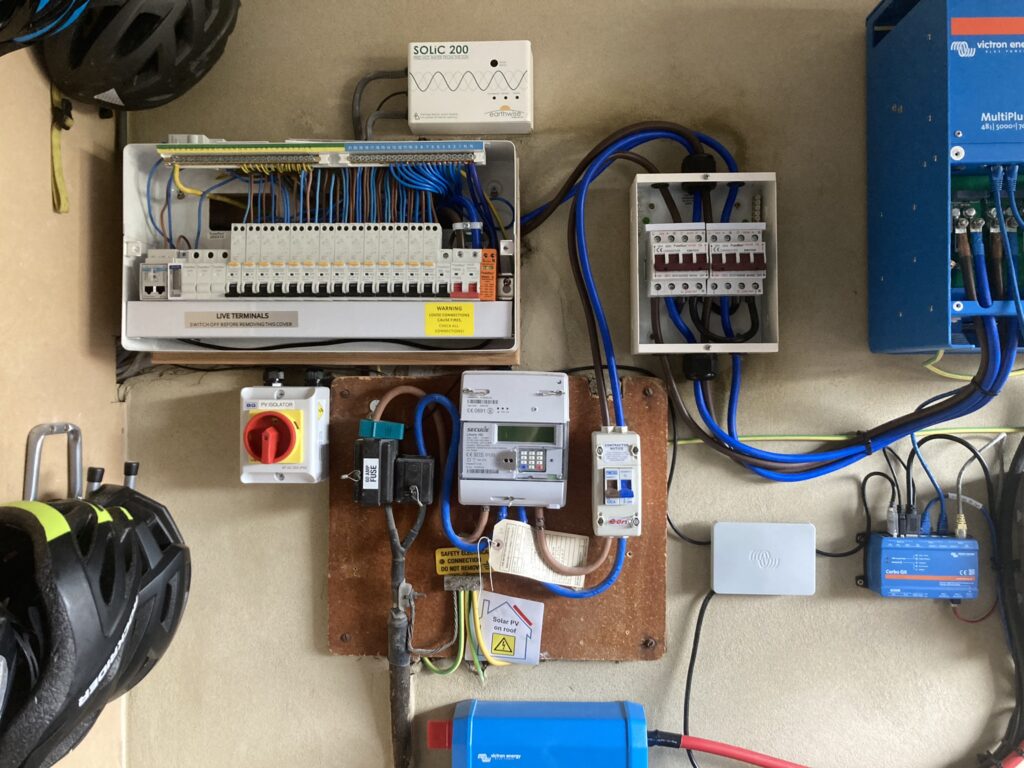
Electrical wiring is the system of cables, conductors, and electrical components used to distribute electricity safely throughout a building. It connects the main power supply to outlets, lighting, switches, and electrical appliances.
In residential properties, electrical wiring runs through walls, ceilings, and floors to supply power to different circuits such as lighting, sockets, heating systems, and kitchen appliances. These circuits are controlled and protected by the consumer unit (fuse box).
Electrical wiring systems are designed to ensure electricity flows safely and efficiently, while protecting people and property from electrical hazards such as shocks, overloads, and fires. Modern wiring installations must follow safety requirements set out in the BS 7671 IET Wiring Regulations.
A typical electrical wiring system includes:
Proper electrical wiring is essential for the safe operation of any home or commercial building. Faulty or outdated wiring can lead to electrical problems, which is why professional installation and regular inspections are important.
In simple terms: Electrical wiring is the network that delivers electricity safely from the power supply to every electrical device in a building.
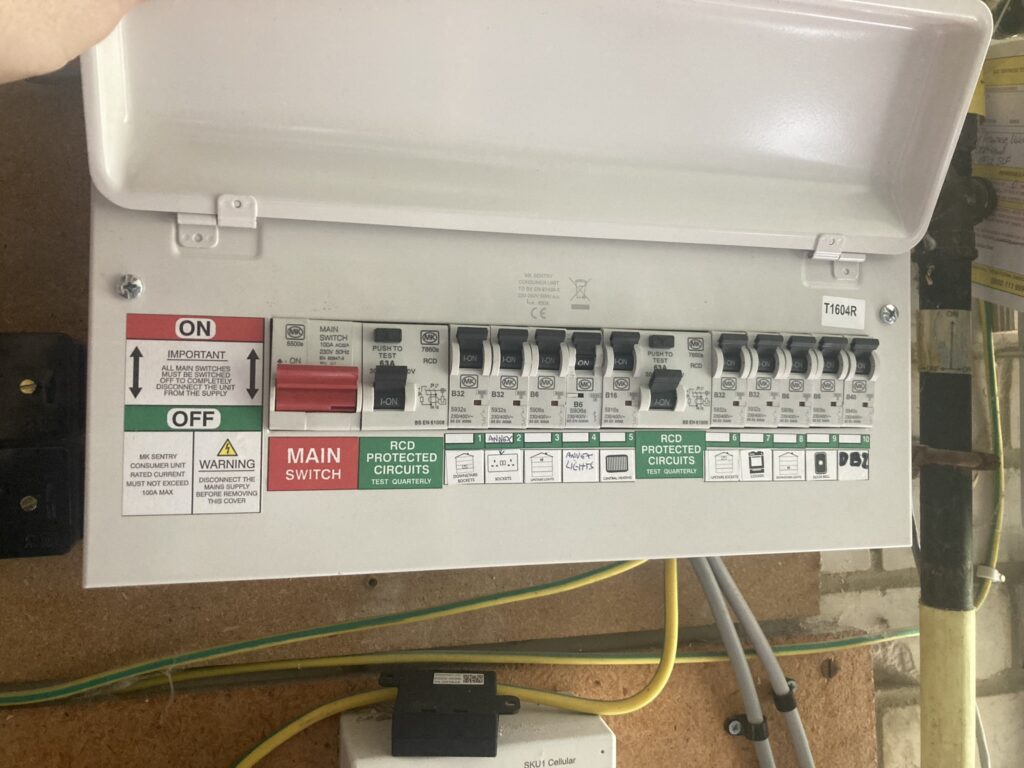
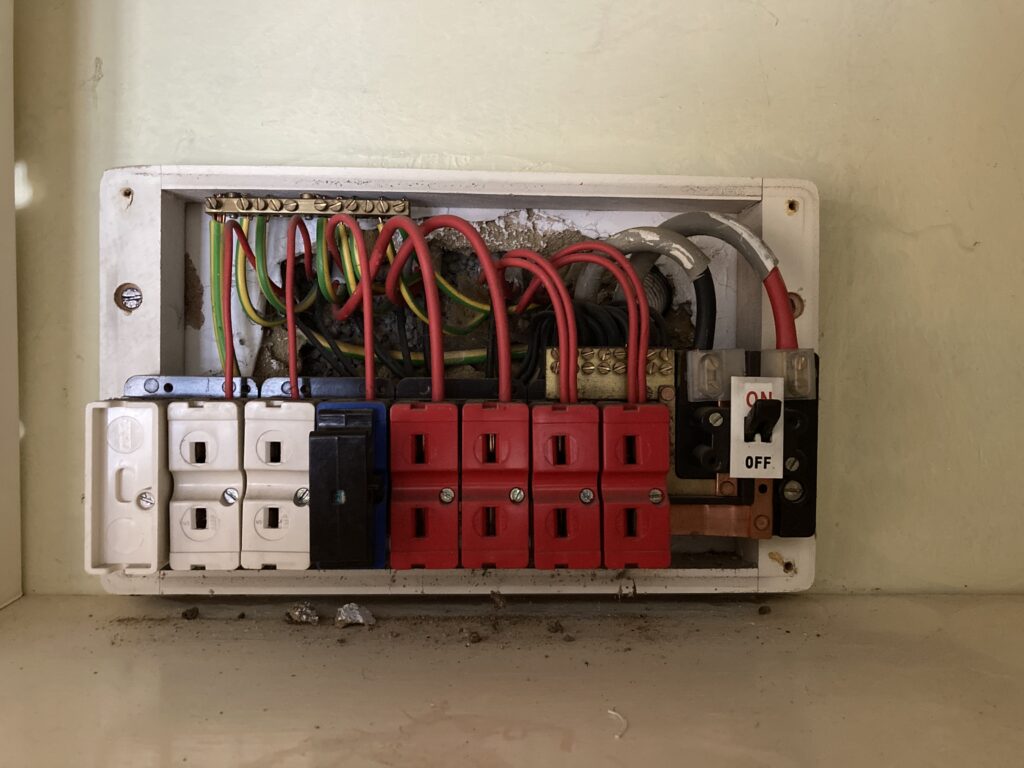
Electrical wiring can deteriorate over time, and older systems may no longer meet modern safety standards.
Here are common signs that your house may need rewiring.
If your circuit breakers trip regularly, it may indicate overloaded circuits or faulty wiring.
This can happen when the wiring cannot safely handle modern electrical demand.
Lights that flicker or dim unexpectedly may be caused by loose connections or damaged wiring within the electrical system.
A burning smell, scorch marks, or discoloured sockets and switches may indicate overheating wires, which can be a serious fire risk.
Properties with very old wiring types may need upgrading, such as:
These systems may not meet current safety standards.
Older homes often have too few electrical outlets, which leads to excessive use of extension leads and power strips.
This can overload circuits.
If you experience small electric shocks when touching switches or outlets, it may indicate earthing problems or faulty wiring.
If a house has not had its wiring updated in over 25–30 years, it may be time for an inspection to ensure it is still safe and compliant with BS 7671 IET Wiring Regulations.
If an electrical inspection or Electrical Installation Condition Report (EICR) identifies serious issues, a full or partial rewire may be recommended.
In simple terms:
If your home shows signs of electrical problems, outdated wiring, or safety risks,
a professional electrician should inspect the system to determine whether rewiring is required.
Proper electrical wiring installation helps:
A professionally installed wiring system provides a safe electrical infrastructure for homes and businesses while meeting the latest electrical safety regulations.
In simple terms: Electrical wiring installation services ensure that electricity is safely and efficiently delivered to every part of a building.
Complete wiring installation for new homes, extensions, and renovations, ensuring all circuits are safely connected and protected.
Replacing old or damaged wiring systems with modern cables and components to improve electrical safety and performance.
Installation of wiring for indoor and outdoor lighting, including switches, dimmers, and energy-efficient lighting systems.
Installing new sockets and power circuits to support modern electrical appliances and devices.
Specialised wiring for kitchens, ovens, cookers, and other high-power appliances that require dedicated circuits.
After installation, electricians carry out safety tests and provide certification confirming the wiring meets current standards.
Choosing the right electrician for your electrical wiring or rewiring project is essential to ensure safety, reliability, and compliance with UK regulations.
Here are some reasons customers choose our services.
Our team consists of trained and experienced electricians who specialise in electrical wiring, house rewiring, and installation work for residential and commercial properties.
All electrical work is carried out in accordance with the BS 7671 IET Wiring Regulations, ensuring your electrical system meets current safety requirements.Fully
Every wiring installation is thoroughly tested to confirm that circuits are safe and operating correctly.
Once completed, we provide the appropriate electrical certification.
We aim to deliver reliable workmanship, clear communication, and professional service from the initial inspection through to the final testing and handover.
We provide clear and honest quotes before starting work so you understand the scope of the project and the expected costs.
Electrical safety is our priority. All wiring installations and upgrades are completed with careful attention to detail to protect your property and occupants.
We provide full rewiring installations across London and Essex including:
| London | Essex | Home Counties |
Popular areas we serve include Romford, Gidea Park, Brentwood, Upminster, Hornchurch, Chelmsford, Billericay, Wickford, Southend, Colchester, Rainham, Dagenham.
Our goal is to provide safe, high-quality electrical wiring services that ensure reliable power and long-term electrical safety.
Wiring a house usually takes 3 to 7 days, depending on the size of the property and the complexity of the electrical installation.
Larger homes or full rewiring projects may take longer.
The cost of electrical wiring varies depending on the size of the property, the number of circuits, and the materials required.
A full house rewire in the UK typically ranges from £3,000 to £8,000.
Electrical wiring can last 25 to 30 years, but older systems should be inspected regularly to ensure they remain safe and meet current standards such as BS 7671 IET Wiring Regulations.
Yes, but it may be inconvenient because electricity may be turned off in certain areas while work is being carried out.
Many homeowners choose to stay elsewhere during a full rewire.
Yes. After electrical installation or rewiring work is completed, the electrician should provide an electrical installation certificate confirming the work meets safety requirements.
Common signs include:
A qualified electrician can inspect your electrical system and carry out an Electrical Installation Condition Report (EICR) to assess the condition of the wiring and identify any safety issues.